
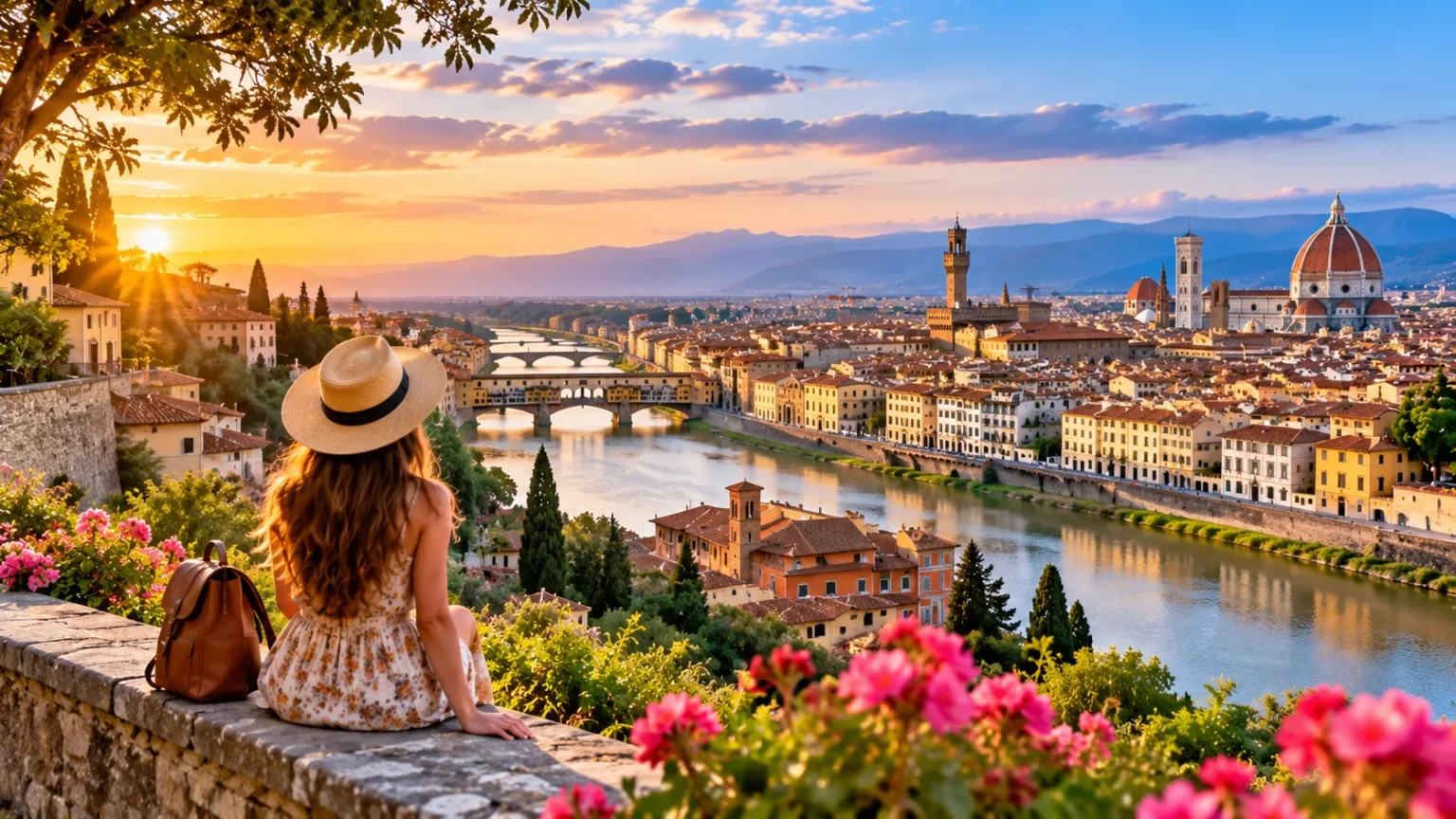
Europe is home to some of the world’s most beautiful cities, where historic architecture, fascinating cultures, delicious food, and modern attractions create unforgettable travel experiences. From the romantic streets of Paris to the ancient landmarks of Rome, every destination offers something unique. Whether you love art, history, shopping, photography, or exploring local neighborhoods, European city breaks provide exciting opportunities to discover new places.
The best European cities to visit combine famous landmarks with memorable everyday experiences. Some destinations are ideal for affordable weekend getaways, while others deserve several days of sightseeing and cultural exploration. This guide highlights top European city breaks, including their must-see attractions, unique experiences, and practical travel considerations to help you choose the perfect destination.
Paris, France: Explore the City of Art and Beautiful Landmarks
<text></text>Paris is one of the most famous European cities to visit, celebrated for its elegant streets, impressive architecture, and world-renowned museums. The French capital offers a wonderful combination of historical landmarks and contemporary cultural experiences. From the Eiffel Tower to the beautiful Seine River, visitors can discover memorable attractions throughout the city’s distinctive neighborhoods.
The Louvre Museum is a major highlight, featuring extraordinary collections of paintings, sculptures, and historical artifacts. Other popular attractions include Notre-Dame Cathedral, the Arc de Triomphe, and the charming streets of Montmartre. Walking along the Seine or exploring traditional Parisian gardens allows travelers to appreciate the city’s character beyond its busiest tourist locations.
Paris is also an excellent destination for discovering French cuisine, traditional bakeries, and attractive neighborhood cafés. Visitors can enjoy freshly baked pastries, explore local markets, and experience the atmosphere of different districts. Spending three or four days in Paris provides a comfortable introduction to its cultural highlights while leaving time for relaxed sightseeing.
Rome, Italy: Discover Ancient History and Italian Culture
Rome is an extraordinary destination for travelers interested in ancient history, beautiful architecture, and traditional Italian food. Known as the Eternal City, it contains remarkable monuments that reflect centuries of cultural development. Walking through its historic streets reveals ancient ruins, grand public squares, and impressive religious buildings that make Rome one of Europe’s most fascinating capitals.
The Colosseum is among the city’s most recognizable landmarks, offering a glimpse into the entertainment traditions of ancient Rome. Visitors can also explore the Roman Forum, Pantheon, and beautiful Trevi Fountain. Vatican City, located within Rome, adds another dimension through its religious landmarks, museum collections, and extraordinary artistic heritage.
Italian cuisine is another reason Rome remains a favorite European city break destination. Traditional pasta dishes, fresh pizza, and local desserts are widely available throughout the city. Exploring quieter neighborhoods such as Trastevere can provide a more relaxed experience, particularly when combined with visits to small shops and attractive public squares.
Barcelona, Spain: Enjoy Creative Architecture and Coastal Scenery
Barcelona is one of the best European cities to visit for travelers who enjoy architectural creativity, cultural attractions, and Mediterranean scenery. Located on Spain’s northeastern coast, the city combines impressive buildings with lively neighborhoods and attractive beaches. Its distinctive artistic heritage makes Barcelona especially appealing to visitors interested in design and photography.
The Sagrada Família is the city’s most famous landmark, recognized for its extraordinary architectural details and connection to Antoni Gaudí. Park Güell features colorful mosaics, unusual structures, and beautiful viewpoints overlooking Barcelona. The Gothic Quarter offers another experience through narrow streets, historic buildings, and peaceful squares surrounded by traditional architecture.
Barcelona’s coastal location adds variety to a city break, allowing visitors to combine sightseeing with time near the Mediterranean Sea. Local markets, Catalan cuisine, and neighborhood cafés provide opportunities to appreciate everyday culture. Three or four days offer enough time to experience major attractions while enjoying the city’s relaxed outdoor atmosphere.
Amsterdam, Netherlands: Explore Charming Canals and Museums
Amsterdam is a beautiful European destination known for its historic canals, narrow houses, bridges, and attractive neighborhoods. The Dutch capital offers an interesting combination of traditional architecture and contemporary cultural experiences. Its relatively compact central districts make exploring on foot or using public transportation particularly convenient for short city breaks.
The Rijksmuseum is one of Amsterdam’s most important cultural attractions, displaying outstanding Dutch art and historical collections. The Van Gogh Museum provides another memorable experience, while the Anne Frank House introduces visitors to important wartime history. Canal cruises also offer scenic views of traditional buildings and historic waterfront areas.
Beyond the major landmarks, Amsterdam has peaceful parks, neighborhood markets, and welcoming cafés that contribute to its distinctive atmosphere. The Jordaan district is particularly attractive for its narrow streets and independent shops. Spending two or three days in Amsterdam allows visitors to explore the central attractions without feeling unnecessarily rushed.
Prague, Czech Republic: Experience Fairytale Streets and Castles
Prague is among the most beautiful cities in Europe, famous for its medieval architecture, historic bridges, and picturesque skyline. The capital of Czechia offers a remarkable collection of Gothic, Baroque, and Renaissance buildings. Its compact historic center makes it especially attractive for travelers who enjoy walking between cultural landmarks and scenic viewpoints.
Prague Castle is one of the city’s most important attractions, featuring impressive courtyards, historical buildings, and views across the surrounding landscape. Charles Bridge connects picturesque districts along the Vltava River and provides a memorable walking experience. Old Town Square is another highlight, known for its decorative architecture and famous astronomical clock.
Prague also offers traditional Czech food, historic neighborhoods, and attractive riverside walking areas. Visitors interested in photography may particularly enjoy the city during early mornings when major streets are quieter. A two- or three-day visit provides enough time to explore famous landmarks while discovering less crowded corners of the historic center.
Lisbon, Portugal: Discover Colorful Streets and Scenic Viewpoints
Lisbon is one of Europe’s most charming capitals, known for colorful buildings, historic trams, and beautiful views across the Tagus River. The Portuguese city is built across several hills, creating distinctive neighborhoods filled with narrow streets and traditional architecture. Its coastal atmosphere and welcoming public spaces make it appealing for relaxed city breaks.
Belém is an important sightseeing area where visitors can explore landmarks connected to Portugal’s maritime history. The Belém Tower and Jerónimos Monastery are particularly well known for their remarkable architectural details. The historic Alfama neighborhood offers another experience through winding lanes, tiled buildings, and scenic viewpoints overlooking the city.
Lisbon is also famous for its traditional pastries, fresh seafood, and lively food markets. Visitors can enjoy pastéis de nata while exploring cafés and local bakeries throughout the city. Comfortable walking shoes are useful because many streets are steep, but the attractive surroundings make exploring different neighborhoods especially rewarding.
Vienna, Austria: Enjoy Grand Palaces and Classical Music
Vienna is one of the best European cities to visit for travelers who appreciate elegant architecture, classical music, and cultural history. Austria’s capital is known for its imperial palaces, spacious boulevards, and impressive museums. Its historical connection with famous composers contributes to a cultural atmosphere that distinguishes it from many other European destinations.
Schönbrunn Palace is among Vienna’s most popular landmarks, offering grand interiors and beautifully landscaped gardens. Hofburg Palace provides further insight into Austria’s imperial past, while St. Stephen’s Cathedral dominates the historic city center. Museums and concert venues throughout Vienna introduce visitors to important artistic achievements and musical traditions.
Traditional Viennese coffeehouses are another memorable feature of the city, offering a relaxed atmosphere and delicious cakes. Visitors can enjoy historic neighborhoods, attractive parks, and local markets between major sightseeing activities. Two or three days in Vienna provide a balanced combination of architecture, cultural experiences, and leisurely exploration.
Budapest, Hungary: Admire Beautiful Architecture and Thermal Baths
Budapest is one of Europe’s most impressive capitals, recognized for its grand architecture, scenic river views, and historic thermal baths. The Hungarian city stretches across both sides of the Danube River, with Buda and Pest offering different attractions. Its beautiful bridges and monumental buildings make it especially appealing to travelers interested in urban photography.
The Hungarian Parliament Building is one of Budapest’s most recognizable landmarks, featuring remarkable Gothic Revival architecture. Buda Castle and Fisherman’s Bastion provide scenic views across the river and surrounding city. The historic Chain Bridge also connects important districts and offers a memorable perspective of Budapest’s architectural landscape.
Budapest is well known for its traditional thermal bathing culture, with established bath complexes that attract visitors throughout the year. Restaurants, covered markets, and attractive streets provide additional opportunities to explore Hungarian traditions. The city can be a good-value European getaway, although accommodation and attraction prices depend on the season.
Copenhagen, Denmark: Explore Scandinavian Design and Waterfront Charm
Copenhagen is a beautiful Scandinavian capital known for colorful waterfront buildings, thoughtful urban design, and attractive public spaces. Denmark’s capital combines historic architecture with modern cultural attractions and a relaxed atmosphere. Its organized transportation network and pedestrian-friendly districts make it convenient for travelers planning a short European city break.
Nyhavn is one of Copenhagen’s most photographed attractions, featuring colorful buildings, traditional boats, and waterfront cafés. Tivoli Gardens is another famous destination, offering landscaped spaces and seasonal entertainment. Visitors can also explore Rosenborg Castle and admire historical architecture that reflects Denmark’s royal heritage.
Copenhagen’s food culture, design shops, and public parks add variety to the sightseeing experience. The city is known for its cycling infrastructure, although visitors should follow local traffic rules and choose suitable routes. Two or three days are generally enough to enjoy the main attractions while appreciating the city’s distinctive Scandinavian character.
London, England: Discover Famous Landmarks and Cultural Attractions
London is one of Europe’s most diverse and exciting cities, offering historical landmarks, modern entertainment, world-class museums, and distinctive neighborhoods. The British capital combines centuries of royal heritage with a constantly changing cultural scene. Its variety of attractions makes it suitable for first-time visitors, families, and travelers interested in different experiences.
Popular landmarks include Buckingham Palace, the Tower of London, Westminster Abbey, and Tower Bridge. The British Museum and several other major cultural institutions provide opportunities to explore history, science, and art. Walking beside the River Thames offers beautiful views of the city’s famous skyline and architectural landmarks.
London also features lively markets, extensive public parks, traditional shopping streets, and internationally influenced food culture. Neighborhoods such as Covent Garden and Notting Hill provide different atmospheres and attractions. Because the city is large, planning three or four days around nearby destinations can reduce travel time and make sightseeing more enjoyable.
Florence, Italy: Explore Renaissance Art and Timeless Beauty
Florence is one of the best European cities to visit for people interested in Renaissance art, historic architecture, and Italian culture. Located in Tuscany, this beautiful city contains extraordinary artistic landmarks within a relatively walkable historic center. Its impressive churches, traditional streets, and attractive river views create an atmosphere that reflects centuries of cultural achievement.
The Florence Cathedral, commonly called the Duomo, is famous for its enormous dome and detailed exterior architecture. The Uffizi Gallery houses important Renaissance artworks, while the Accademia Gallery is known for Michelangelo’s David. Ponte Vecchio is another recognizable landmark, connecting the city’s historic districts across the Arno River.
Florence is also an excellent destination for discovering Tuscan food, traditional markets, and Italian craftsmanship. Visitors can explore artisan workshops, enjoy attractive public squares, or admire panoramic views from Piazzale Michelangelo. Two or three days provide a rewarding introduction to the city’s artistic heritage and memorable local experiences.
How to Choose the Best European City Break for Your Trip
Choosing the best European city break depends on your travel interests, budget, available time, and preferred atmosphere. History lovers may enjoy Rome, Florence, or Prague, while travelers interested in modern culture might prefer London or Amsterdam. Barcelona and Lisbon are attractive options for those who want urban sightseeing combined with coastal scenery.
Seasonal weather can also influence the experience, especially when planning outdoor activities and walking tours. Spring and autumn often provide comfortable sightseeing temperatures in many European destinations. Summer brings longer daylight hours but can also mean higher accommodation prices and larger crowds around popular attractions.
Before booking, compare transportation connections, accommodation locations, attraction reservations, and applicable entry requirements. Many European cities have efficient public transportation systems, making it possible to explore without renting a car. Choosing a central or well-connected area and allowing enough time between activities can help create a more comfortable and enjoyable trip.
Conclusion
Europe offers an incredible range of city break destinations, from historic capitals and cultural centers to modern cities filled with exciting attractions. Paris, Rome, Barcelona, and Amsterdam remain popular for their recognizable landmarks and memorable experiences. Other destinations, including Prague, Lisbon, and Vienna, provide beautiful architecture and distinctive local traditions.
The best European cities to visit depend on what you enjoy most during a vacation. Art enthusiasts may prefer Florence, history lovers might choose Rome, and travelers seeking elegant architecture could enjoy Budapest or Vienna. Each destination offers unique opportunities to discover cultural heritage, traditional food, and attractive neighborhoods.
A successful European city break begins with choosing a destination that matches your interests and planning a realistic itinerary. Allow time for major attractions while leaving room to explore local streets, markets, and cafés. With thoughtful preparation, even a short weekend getaway can become a memorable experience filled with discovery and enjoyment.
FAQs
What are the best European cities to visit for first-time travelers?
Paris, Rome, Barcelona, Amsterdam, and London are excellent choices for first-time visitors. They offer famous landmarks, museums, cultural experiences, and convenient transportation connections for exploring major attractions.
Which European cities are best for a weekend break?
Prague, Amsterdam, Vienna, Budapest, and Copenhagen are popular weekend destinations. Their central attractions can often be explored over two or three days, making them suitable for shorter European trips.
What are the most affordable European cities to visit?
Budapest, Kraków, and several other Central and Eastern European cities can offer relatively affordable accommodation, food, and sightseeing. Actual travel costs depend on the season, location, and personal preferences.
What is the best time of year for a European city break?
Spring and autumn are often ideal for exploring European cities because temperatures are generally comfortable for sightseeing. Summer offers longer days, while winter provides festive markets and seasonal attractions in some destinations.
How many days do you need for a European city break?
Two to four days are usually enough to explore the main attractions of many European cities. Larger destinations such as London, Paris, or Rome may benefit from additional time.